Why arc matters
Arc gets talked about like a style choice — some players “shoot a nice ball,” some don’t. But arc is doing a real job, and it’s a job with two sides that pull against each other.
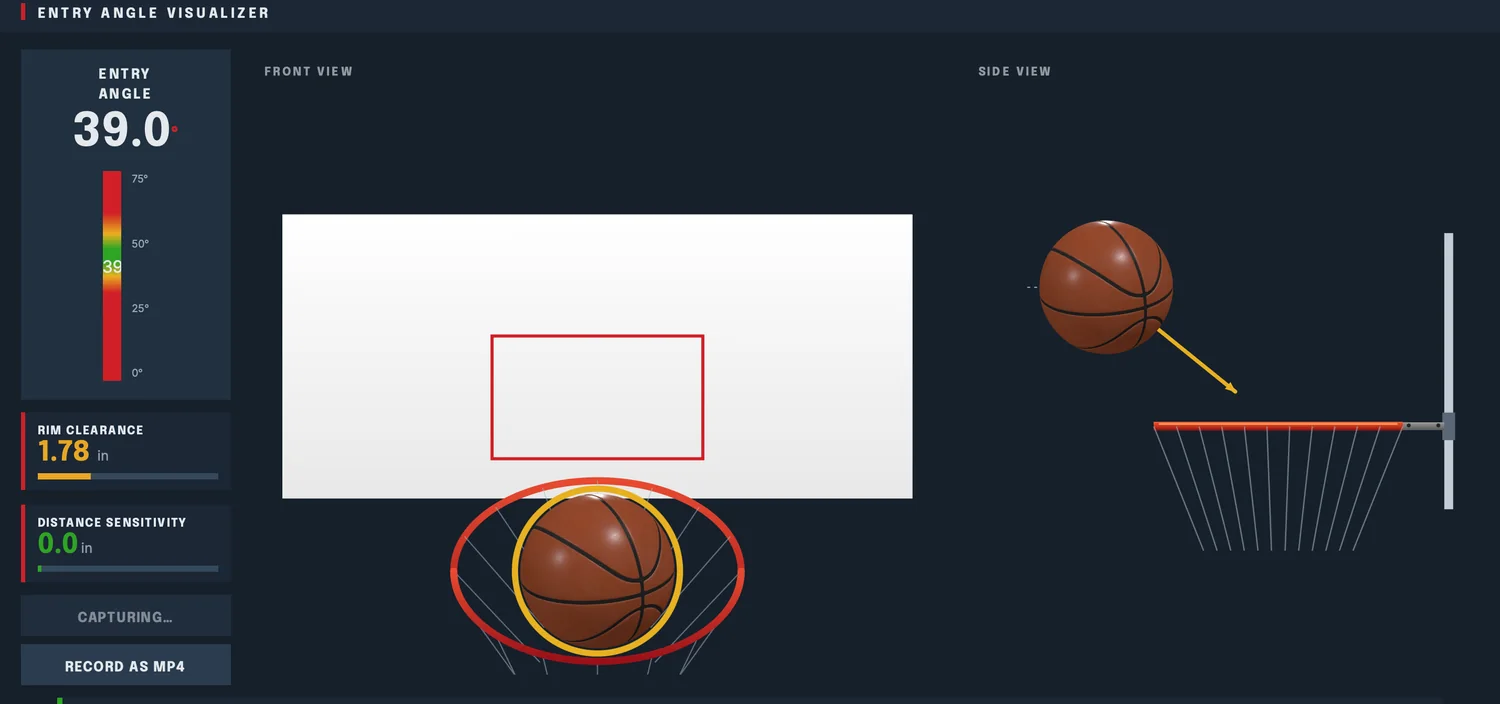
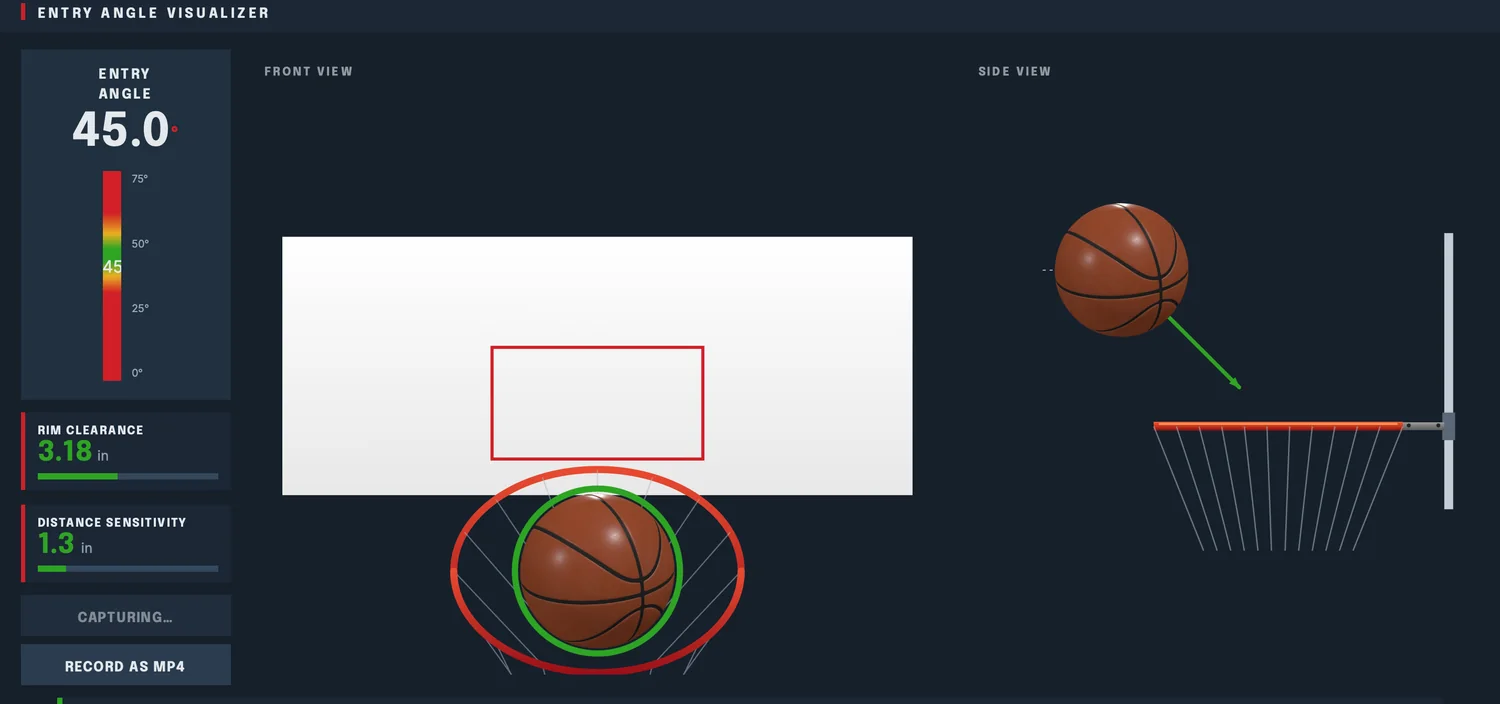
The first is room. The flatter a shot travels, the smaller the opening the ball actually sees as it arrives at the rim. Come in too flat and the ball has to thread a shrinking target; add arc and that opening grows, giving the ball more margin to drop through.
The second is distance control. Here, more isn’t better. Push the arc too high and the shot gets touchy — the same small miss in release angle or speed turns into a bigger miss in how far the ball travels. A very high ball punishes tiny inconsistencies.
So good arc isn’t the highest arc. It’s a window: enough to give the ball room, not so much that distance gets hard to repeat. (We measure exactly where that window sits in Launch Angle and Velocity.) Most of my work is helping a player live inside that window without giving something else up to get there.
You can see the whole tradeoff in three shots — too flat, good, and too high:
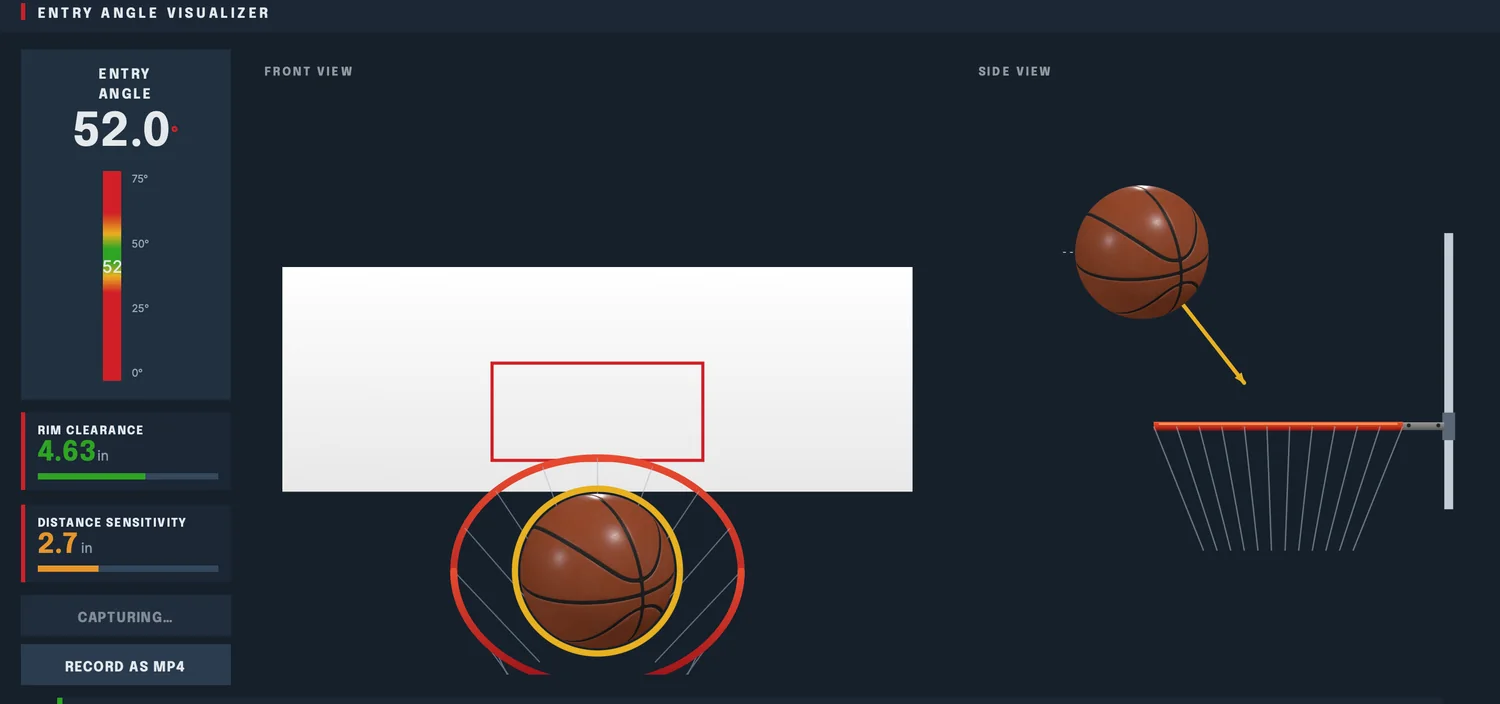
“Good arc isn't the highest arc. It's the window where the ball has room to go in and distance still stays repeatable.”
Tweet thisWhy “just tell them to shoot higher” doesn’t transfer
If arc were only a matter of information, a cue would fix it. It rarely works that cleanly, for two reasons.
First, a player has usually organized their whole shot around the arc they already have. That habit is a stable attractor — the pattern their system keeps falling back into — and a single cue often isn’t a strong enough nudge to move them off it.
Second, there are many ways to create arc, and a lot of them solve the arc problem by creating another one. A cue can push a player toward a solution that buys height at the cost of something more important.
Here’s a common one: told to shoot higher, a player self-organizes by taking the ball back over the top of their head to sling it upward. It’s a natural solution — it genuinely produces more arc. But now the ball travels a longer, less direct path to release, and the player starts to struggle with distance control. They fixed the arc and broke the thing arc was supposed to protect. (More on how players find their own movement solutions in How People Actually Learn Skills.)
Arc is a compromise, not a maximum — the window where the ball has room to go in and distance stays repeatable. Learn how Coach Dave Love finds that window and trains it at the set point.
ShareHow I train it: MCT and SAT
MCT — find the why
When a player struggles to get arc, my first job in Movement Coordination Training is to figure out why. Most coaches go straight to the legs — bend more, load more — or to fluidity, smoothing the whole motion out. Those aren’t wrong, and sometimes they’re the answer. But I’ve found most arc problems trace to one place: the set point, and specifically the hand. Two show up again and again:
- The hand isn’t under the ball at the set point — or it is, but slides off the bottom of the ball as the player lifts out of it. If the hand isn’t behind and beneath the ball, it can’t drive it upward.
- There’s no upward move out of the set point. The player pushes the ball out toward the rim instead of up and out, and the arc never gets a chance to build.
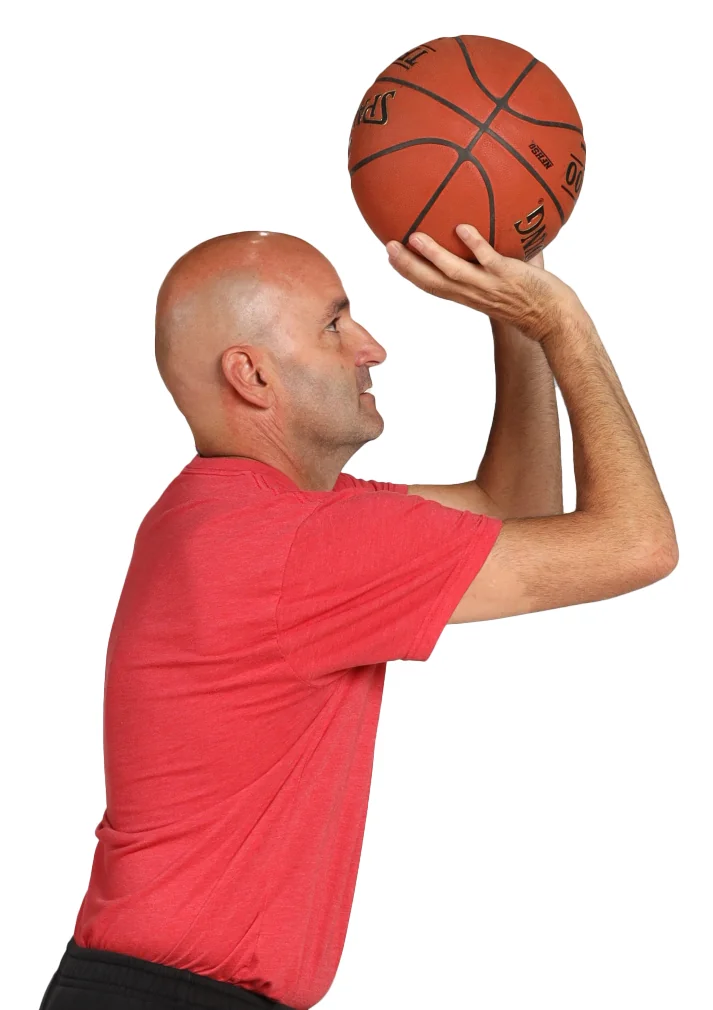
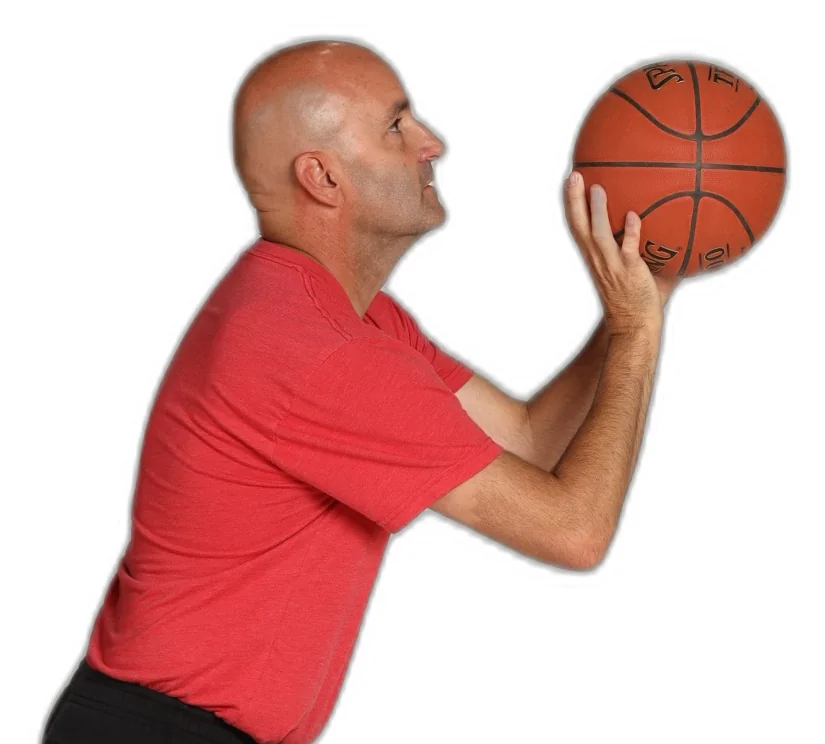
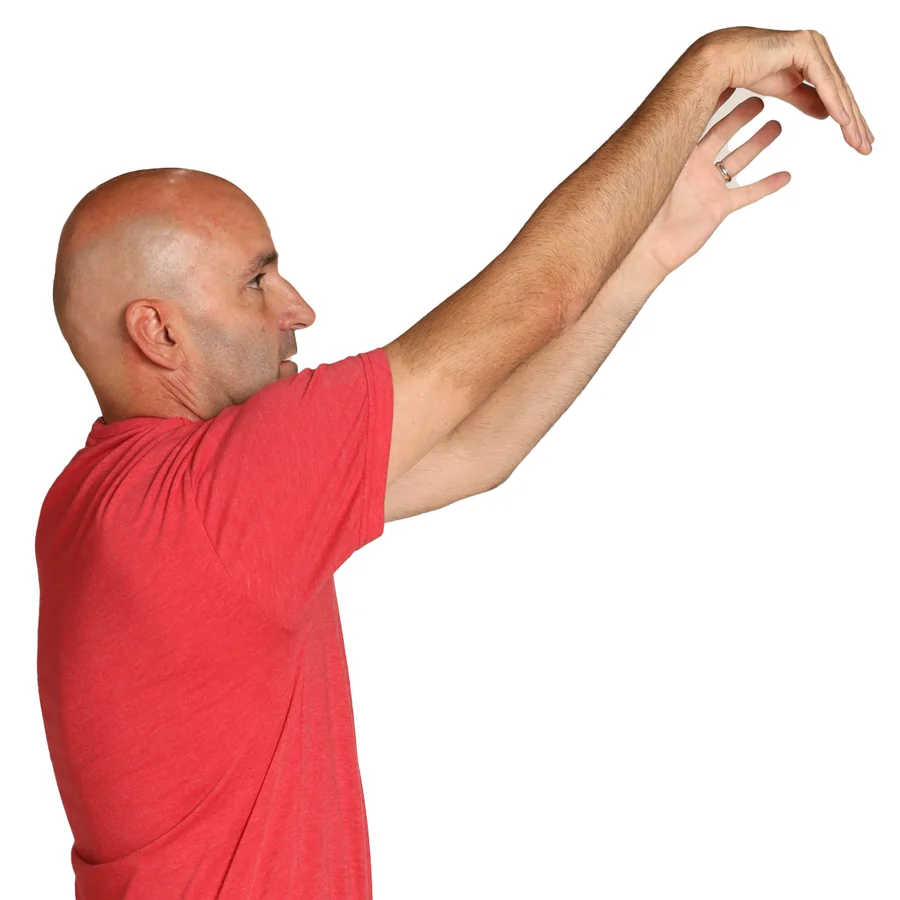
I work to identify which of these (or something else) is this player’s actual constraint, then build drills that let them explore the habit that fixes it — not by telling them the answer, but by shaping the task so the better solution is the natural one to find.
“Most players don't lose arc at the legs. They lose it at the set point — in how the hand gets under the ball and drives it up.”
Tweet thisSAT — stress-test it
Once that new pattern starts to stabilize — once the new attractor is holding — I begin testing it against game challenges in Skill Adaptability Training: movement, defenders, decisions, time pressure, so the arc holds up when the shot isn’t clean. (That bridge from a groomed habit to a game-ready skill is its own topic in The Missing Bridge.)
Periodizing arc work
Periodizing just means planning this work across time instead of leaving it to chance — deciding what gets emphasized, and in what dose, based on where the player is and what the schedule allows.
For arc, that usually means weighting toward MCT — the focused set-point work — early in a training block, or when there are several days before the next game, while a player has room to explore a new hand habit without the pressure of performing. As game day gets closer, I shift the weight toward SAT, transferring that new arc into live, game-like shooting so it holds up under movement and defenders.
How much of each depends on the player. When the new set-point pattern is still fragile, most of the work stays in MCT until it stabilizes; once it’s holding on its own, the balance tips toward SAT so the arc survives a real game. It’s not a straight line — I keep some of both going the whole way, rather than trying to master one before starting the next. (The full picture is in Periodization of Shooting Development.)
CDL Coaching Toolbox
Entry angle, rim clearance, release, and the ball path itself — measurable and trackable on your own players. Free to try.
Takeaway
Arc is a compromise, not a maximum. The goal isn’t the prettiest rainbow — it’s the window where the ball has room to go in and distance stays repeatable. And for most players, that window doesn’t open at the legs or by “smoothing it out.” It opens at the set point — in how the hand gets under the ball and drives it up.
References
- Chow, J. Y., Davids, K., Button, C., & Renshaw, I. (2016). Nonlinear Pedagogy in Skill Acquisition: An Introduction. Routledge.
- Slegers, N., & Love, D. (2024). The role of ball path curvature in basketball shooting accuracy. Journal of Sports Sciences, 42(21), 2052–2060.