The science, the drills, and the systems behind elite shot development — from grassroots to the NBA. New breakdowns every week.

Why "perfect mechanics" is the wrong goal — and a better model for how skill develops.
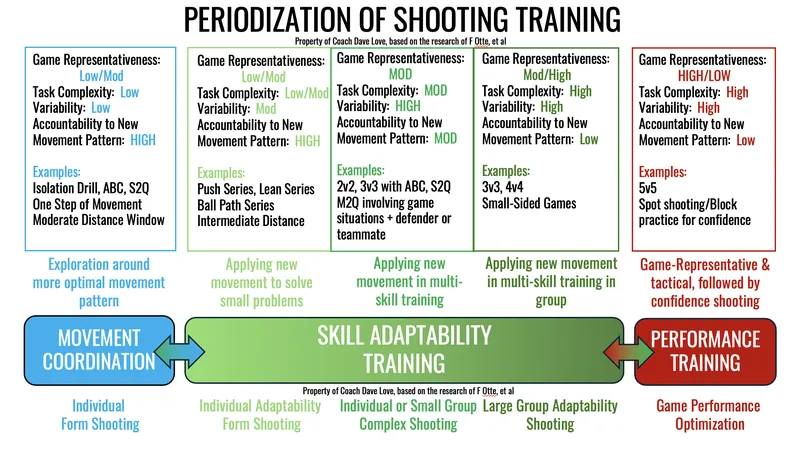
An intro to PoST — structuring development across a season, not a session.

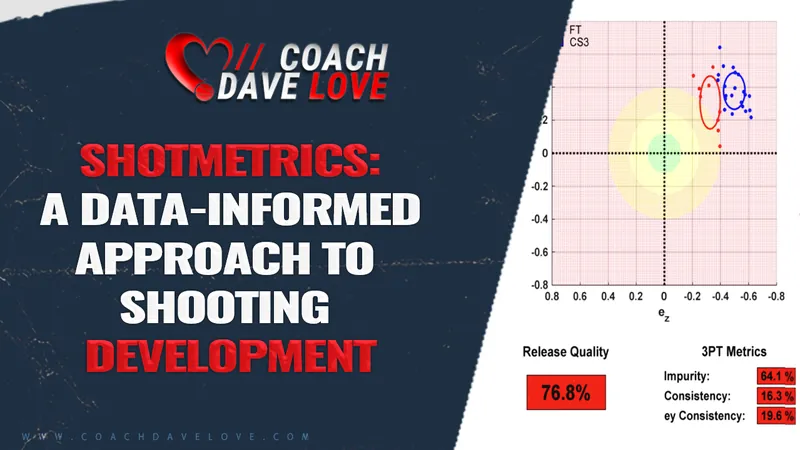
How measuring release quality and spin turns shot development from guesswork into a data-informed process.

A coach's guide to the research: the three models of skill acquisition, why the field moved, and what it means for developing shooters.
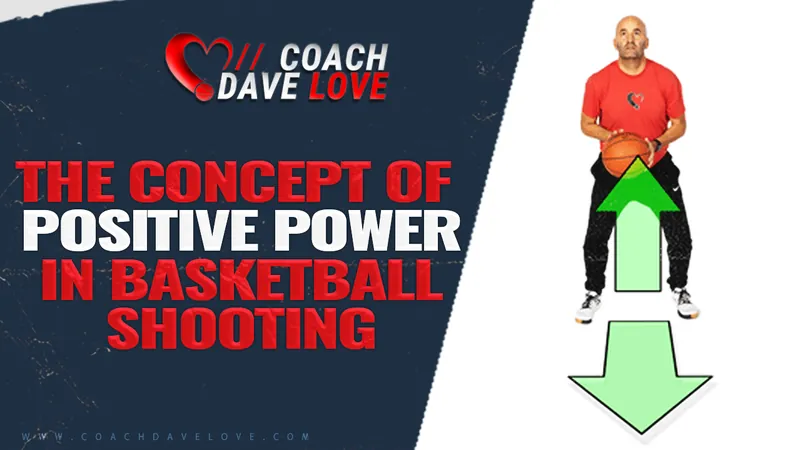
Where a repeatable, efficient shot actually gets its energy from.
The most common podcast question I get — and the honest answer: one requirement and two principles every good shot lives by, each met a hundred different ways.
Filter by topic, or search above.
A rookie-year case study — 42% in college to 72% in the NBA — and the four decisions that made the difference.
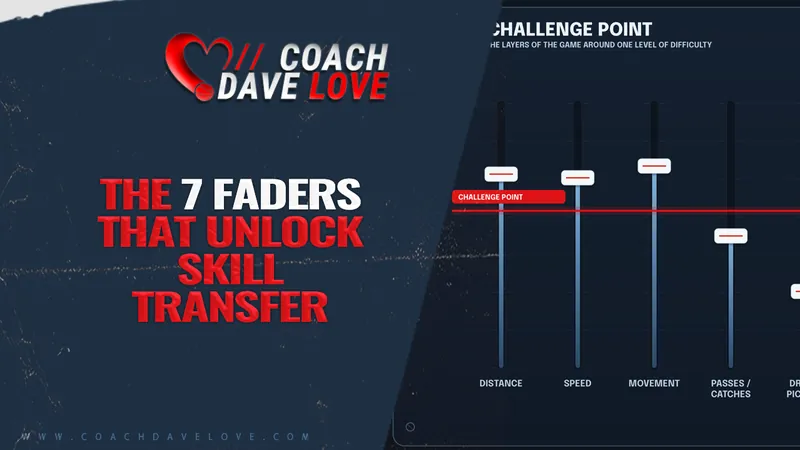
A mixing-board way to think about practice difficulty — seven faders you ride to keep shooters in the challenge point and build skill that transfers.
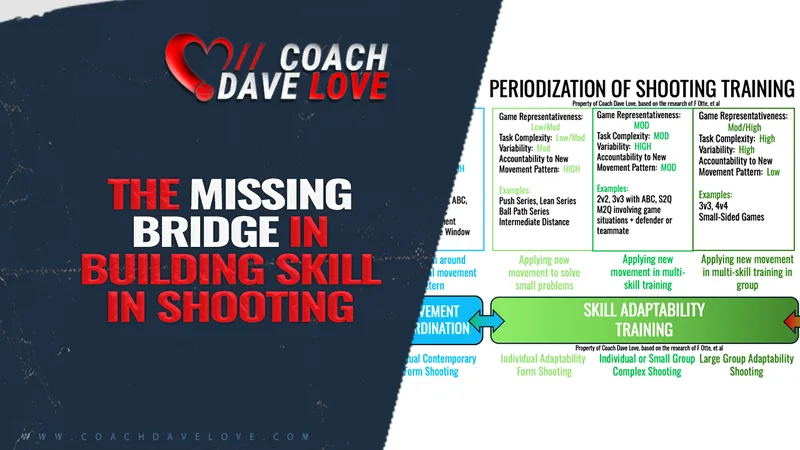
Why perfecting a habit in a simple drill doesn't transfer to games on its own — and the skill-adaptability training that bridges the gap.
Internal vs. external cues — why the right few words change a habit faster than a full explanation, and how to find the cue that clicks for each player.

Once you've diagnosed a shot, where do you start? The two places I prioritize every correction — the hand to the ball, and the feet to the floor.
A 3rd-string center who couldn't be trusted to shoot became an 80% free-throw shooter with three-point range — much of it done on his own.

How I diagnose which one or two habits to change in a shooter — by reading what the ball does before I ever look at the body.

Spin has a direction, not just a speed — and the hidden tilt in a shooter's backspin quietly pushes shots off-line.

How to match the challenge to the player — and adjust it on the fly to keep them learning.

Two experts on the Constraints-Led Approach — where it applies, where it has limits, and the weak-shooter paradox.
Video reveals the gap between what a shooter feels and what they actually do, and a structured process turns that footage into real, correctable insight.
After 20 years of coaching, here's how I'd handle a youth team differently: more play, less drilling, and letting the game itself do the teaching.
On the surface drills look like the cure for every shooting problem, but real development is layered, interconnected, and needs a diagnosis.
A closer look at four elite shooters and how each made an unconventional spot in the shooting sandbox work for them.
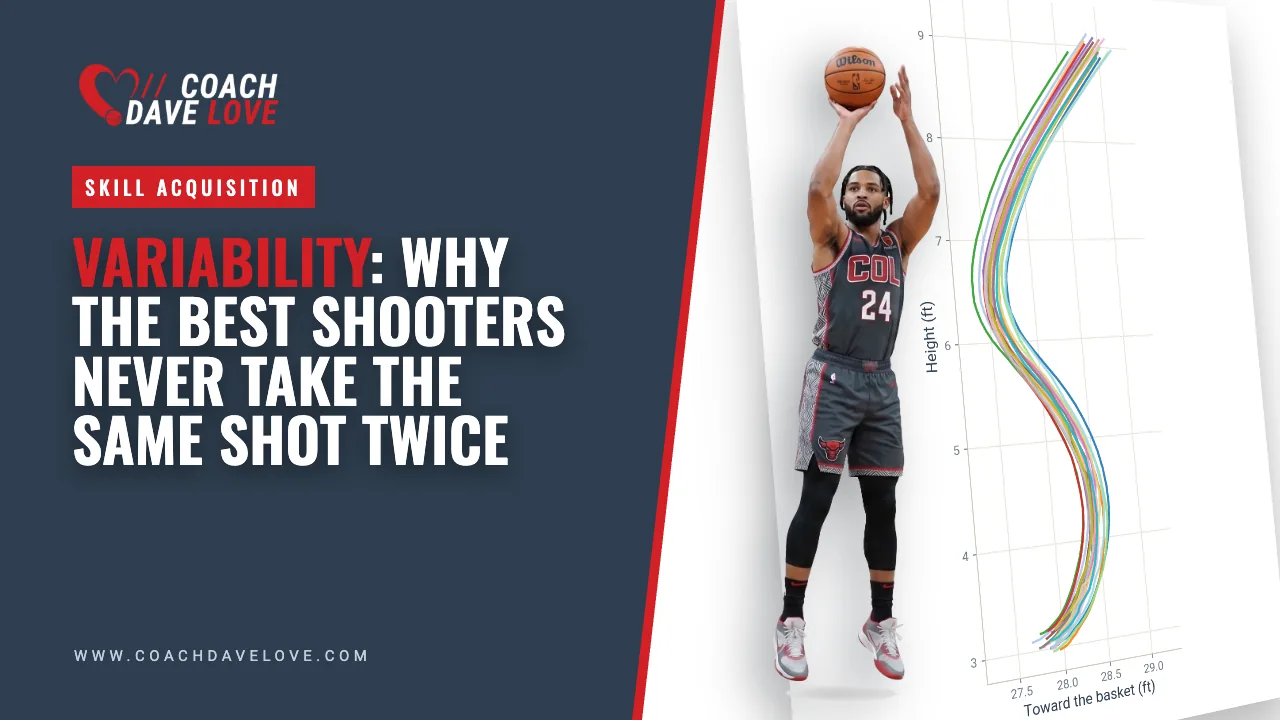
Temperature, humidity, altitude, and even the weight of the ball all change how far a free throw travels, which is why practice should embrace variability.
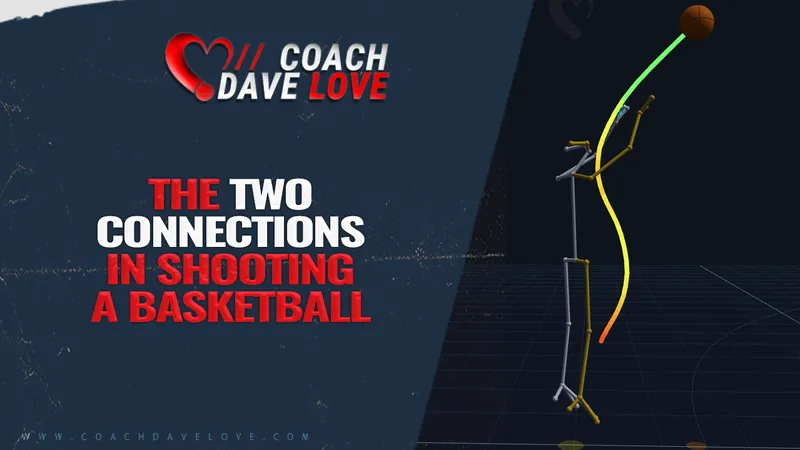
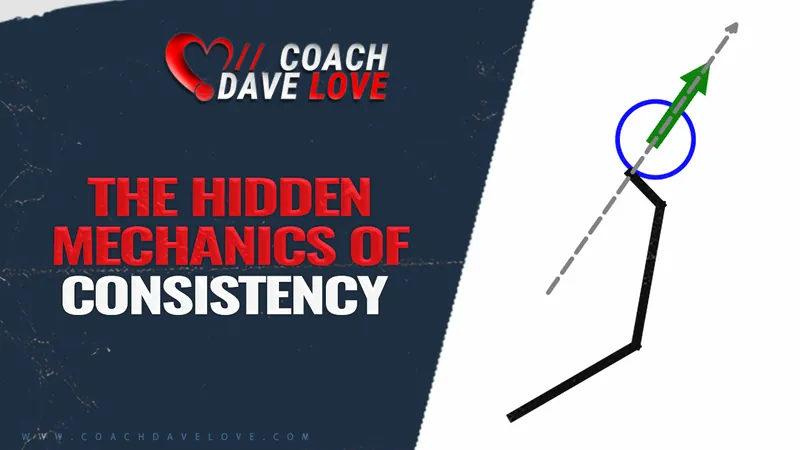
Treating the shoulder, elbow, and wrist as one three-joint system shows why joint timing—not any single angle—is the real driver of a repeatable shot.
Traditional form shooting strips away the context players need to learn, so who should actually be doing it, and what kind?
Entry angle is a popular shooting metric, but players don't control it directly—launch angle and release velocity are the real levers.
Why smaller players must adjust their shooting mechanics more than taller players when shooting from distance, and the trade-offs that come with it.
Muscles don't have memory, so the reps that build a game-ready shot are about adaptability, not etching one perfect motion.
The seams of the ball fool the eye into misreading a shooter's rotation, which is why measuring the true axis of spin reveals how the hand pushed the ball.
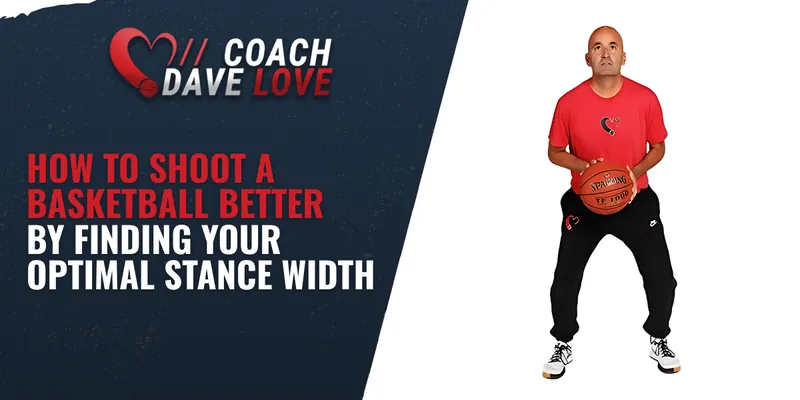
The shot begins with your feet, and finding the stance width that matches your body and each shot's demands is the foundation of a balanced, repeatable shot.
CLA is not "just play games and don't teach skills"—a look at how the approach gets misused and how to apply it more effectively.
Baseball's data-driven pitch design has a basketball parallel: using spin metrics to make invisible release flaws visible and fixable.
A biomechanical look at how the feet, center of mass, and lateral force interact to define the stance width that maximizes stability without sacrificing mobility.
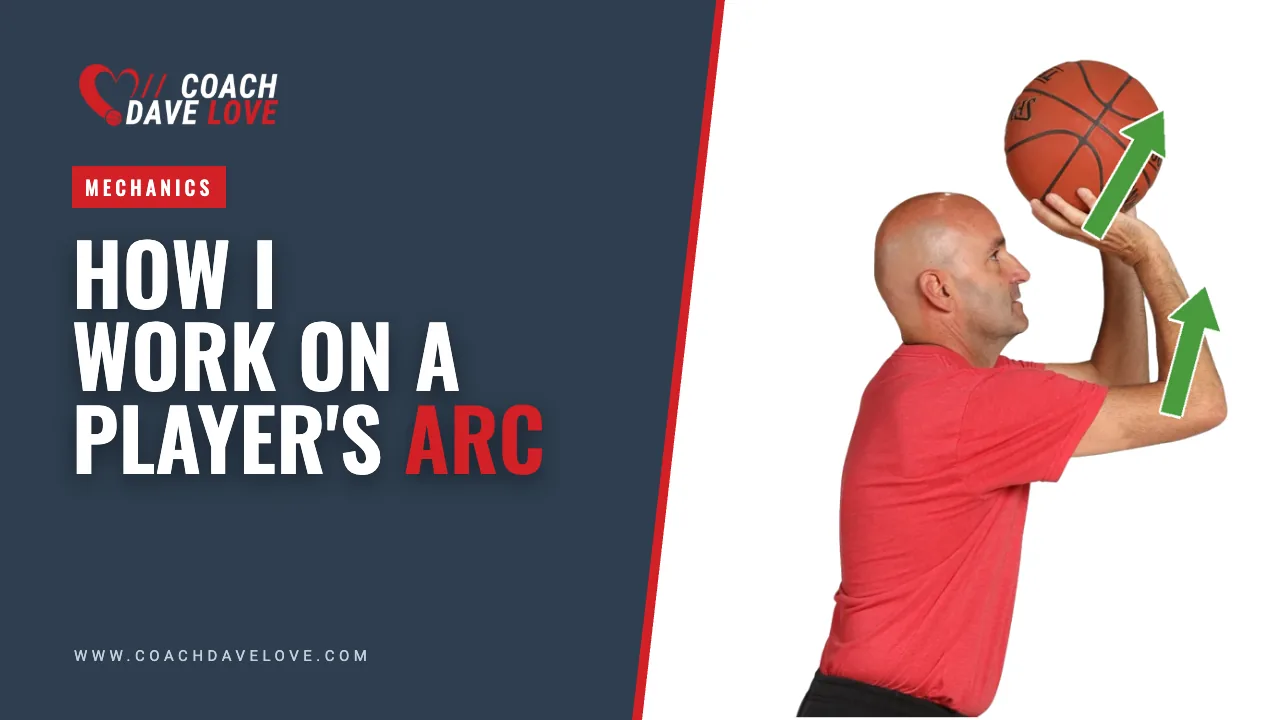
Arc is only half the story; it's the relationship between arc and velocity that lets us finally measure the elusive skill of touch.
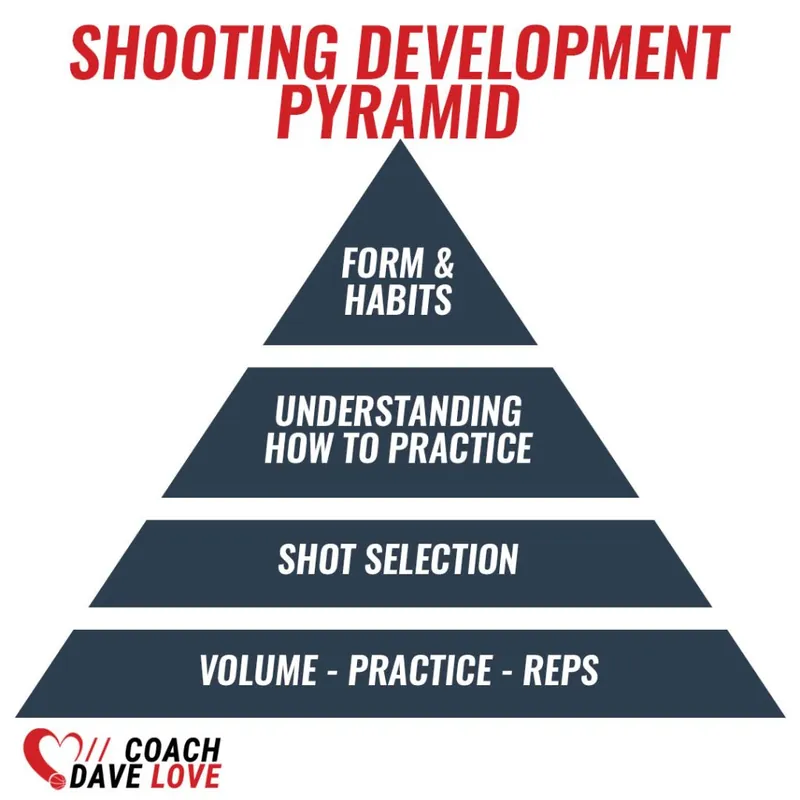
A structured framework that prioritizes what actually drives shooting improvement, from the foundation of repetition up to the finer points of form.
Skill acquisition principles tilt the odds like basic strategy, but ShotMetrics is the card-counting edge that changes the game entirely.
The moments outsiders see NBA players train are preparation, not development, and copying them misleads coaches about what real skill building looks like.
Real shooting balance is multi-dimensional—static, dynamic, reactive, and transitional—and must be trained in the game contexts where it actually breaks down.
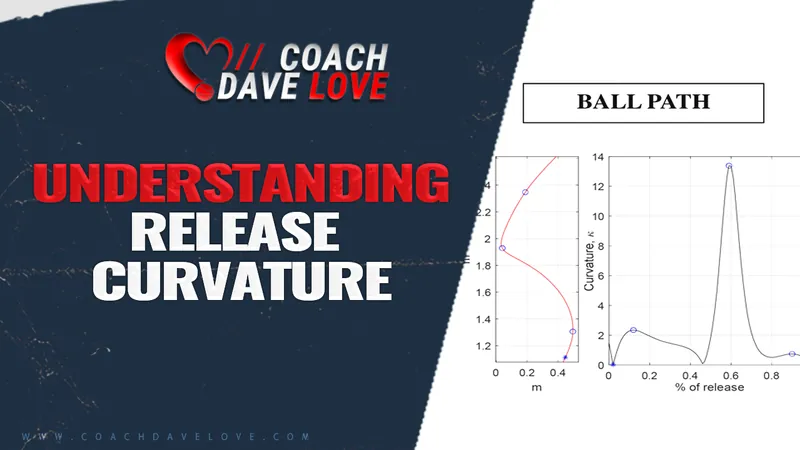
Measuring how much the ball's path bends in its final moments in the hand reveals a surprising key to better distance control.
Balance isn't the absence of motion; it's controlling energy so movement flows toward the rim, and different balance types call for different training solutions.
Join thousands of coaches and players getting Dave's weekly breakdowns straight to their inbox.